
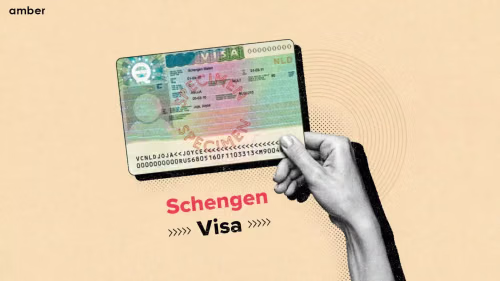
Planning a trip to Europe is exciting, but navigating the visa process can feel overwhelming — especially if it’s your first time. Whether you’re dreaming of the Eiffel Tower, the canals of Amsterdam, or the sun-soaked beaches of Spain, knowing how to get a Schengen visa step by step is the key to making your European adventure a reality. This guide walks you through everything you need, from choosing the right consulate to collecting your passport at the end.
What Is a Schengen Visa?
Before diving into the application process, it helps to understand what you’re applying for. The Schengen Area is a zone of 27 European countries that share open borders, meaning one visa grants you travel access across all of them. Countries include France, Germany, Italy, Spain, the Netherlands, and more. A standard Schengen tourist visa allows stays of up to 90 days within any 180-day period.
There are different visa categories — short-stay tourist visas, business visas, transit visas, and student visas — but for most travelers, the short-stay type C Schengen visa is the one to apply for.
How to Get a Schengen Visa Step by Step
Learning how to get a Schengen visa step by step removes the guesswork and helps you avoid the most common application mistakes. Follow this process carefully.
Step 1: Determine Which Country’s Consulate to Apply At
If you’re visiting multiple Schengen countries, apply at the consulate of the country where you’ll spend the most time. If your time is split equally, apply through the country of your first entry. This is one of the most frequently misunderstood parts of the short-stay visa process.
Step 2: Check the Processing Time and Apply Early
Schengen visa processing typically takes 15 calendar days, though it can extend to 30–60 days in complex cases. Apply at least 6 to 8 weeks before your travel date. Some embassies only accept appointments 3 months in advance, so plan early.
Step 3: Gather Your Schengen Visa Required Documents
This is where most applicants stumble. A complete Schengen visa document checklist typically includes:
- Valid passport (issued within the last 10 years, valid for at least 3 months beyond your return date)
- Completed and signed Schengen visa application form
- Two recent passport-sized photographs (35x45mm, white background)
- Travel itinerary or confirmed round-trip flight bookings
- Hotel reservations or an invitation letter from a host
- Travel insurance with minimum coverage of €30,000 (valid across all Schengen states)
- Bank statements from the last 3–6 months showing sufficient funds
- Proof of employment, business registration, or enrollment letter
- No-objection letter (if employed)
- Cover letter explaining the purpose and itinerary of your trip
The document list may vary slightly depending on the consulate, so always verify requirements on the official embassy website.
Step 4: Book a Visa Appointment
Most Schengen consulates require you to schedule a visa appointment at the embassy or a visa application center (VAC). For popular destinations like France or Germany, slots fill quickly, especially during summer. Book your slot as soon as your documents are ready.
Step 5: Attend the Biometrics and Interview Appointment
During your appointment, you will submit your documents, have your fingerprints scanned (biometrics), and possibly answer a few questions about your travel plans. Be honest and consistent — your answers should match your submitted documents.
Step 6: Pay the Schengen Visa Fee
The standard Schengen visa application fee is €80 for adults and €40 for children aged 6 to 12. Children under 6 are exempt. This fee is non-refundable, even if your visa is denied. Some VACs charge an additional service fee.
Step 7: Wait for Processing
After submission, your application goes to the consulate for review. Use this time to track your application if the VAC provides a tracking number. Do not book non-refundable flights until after your visa is approved.
Step 8: Collect Your Passport
Once processed, collect your passport from the VAC or consulate. Check the visa sticker carefully for the validity dates, number of entries (single, double, or multiple), and duration of stay. Report any errors immediately.
That’s how to get a Schengen visa step by step — eight clear stages that, when followed precisely, dramatically improve your approval chances.
Schengen Visa Requirements: What You Must Know
Understanding Schengen visa requirements goes beyond collecting paperwork. Consulates assess your application holistically. Here’s what they evaluate:
Financial sufficiency — You need to demonstrate you have enough funds to cover your entire stay. A general rule of thumb is €50–100 per day, varying by country.
Strong ties to your home country — This is critical. The consulate wants to be confident you will return home after your trip. Proof of employment, property ownership, family ties, or business ownership all help establish this.
Travel insurance coverage — Your Schengen travel insurance must be valid in all member states, cover medical emergencies and repatriation, and carry a minimum coverage of €30,000. Many applicants use providers that issue instant digital insurance certificates accepted by all EU embassies.
Clear travel purpose — Your cover letter and itinerary must tell a coherent, believable story. A disorganized itinerary is a red flag for visa officers.
Clean travel history — Previous visa compliance, especially with Schengen or other developed countries, strengthens your profile significantly.
Common Reasons for Schengen Visa Rejection
Even a well-prepared application can be refused. The most common reasons include:
- Incomplete or inconsistent documents
- Insufficient travel insurance coverage
- Weak financial proof or irregular bank statements
- No clear ties to your home country
- Unexplained travel gaps or previous overstays
If your application is rejected, you have the right to appeal. The refusal letter will specify the reason, which you can address in a reapplication.
Tips to Improve Your Schengen Visa Approval Chances
- Apply with a well-organized, clearly tabbed document folder
- Include a detailed day-by-day travel itinerary
- Provide strong travel insurance with an explicit Schengen clause
- Make sure your bank statements show consistent, regular deposits — not a sudden influx right before applying
- Be transparent in your cover letter about the purpose and duration of your visit
Ready to Plan Your European Trip?
Navigating the Schengen visa process doesn’t have to be stressful. Knowing how to get a Schengen visa step by step, and understanding the full Schengen visa requirements, puts you in a much stronger position to get approved and explore Europe with confidence.
If you need personalized guidance, help planning your travel itinerary, or assistance understanding which documents apply to your specific situation, the team at Travel Escape Guide is here to help.
👉 Contact us today at travelescapeguide.com — let’s make your European adventure happen.