
France is one of those rare countries that rewards you no matter when you arrive. But knowing the best time to visit France can mean the difference between an unforgettable trip and one spent fighting tourist crowds, enduring extreme heat, or watching a closed museum door. Whether you’re dreaming of lavender fields in Provence, cobblestone walks in Paris, or wine harvest festivals in Bordeaux, timing your trip right unlocks a completely different experience.
This guide breaks down the best time to visit France including every season, every month, and every type of traveler, so you can plan your France visit with confidence. No fluff, no vague advice, just practical, experience-backed guidance.
Why Timing Your France Trip Actually Matters
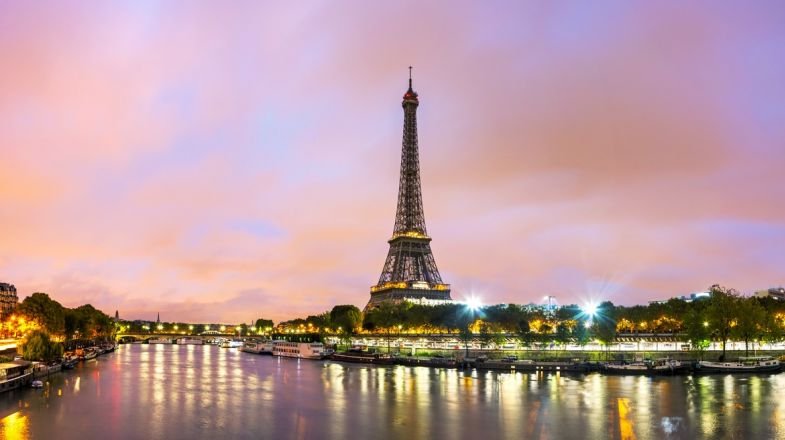
France receives over 90 million international visitors per year, making it the world’s most visited country. That popularity comes with consequences: popular sites like the Eiffel Tower, Mont Saint-Michel, and the Palace of Versailles can feel overwhelming during peak months. Hotel prices surge. Restaurant wait times stretch. Even the usually peaceful lavender fields of Provence become Instagram traffic jams in late July.
On the flip side, traveling in the off-season or shoulder season France offers thinner crowds, lower prices, and a more authentic glimpse into daily French life. The key is matching your travel goals, budget, and tolerance for weather to the right window.
France Weather by Month: What to Realistically Expect
France isn’t a single climate. The north (Paris, Normandy) is temperate and often rainy. The south (Provence, Nice) is Mediterranean and sun-drenched. The Alps and Pyrenees follow mountain patterns. Here’s an honest breakdown of the France weather by month:
January & February — Quiet, Cold, and Underrated
These are the coldest and quietest months, but don’t dismiss them. Paris in January is romantic in a gray, literary way. Museum lines are non-existent. Hotels drop to their lowest annual rates. If you’re heading to the Alps, February is prime ski season with powder-fresh conditions in Chamonix and Val d’Isère. Coastal areas like Nice still see mild temperatures around 12–15°C.
Best for: Budget travelers, museum lovers, ski enthusiasts, couples who prefer quiet over crowds.
March & April — The Beginning of France’s Beautiful Season
Spring in France arrives gently. Paris starts to bloom in March, and by April the city is genuinely stunning. Cherry blossoms frame the Trocadéro. Café terraces fill back up. The Loire Valley’s château gardens awaken with color. Crowds are manageable, prices are still reasonable, and the weather, while changeable, is comfortable with temperatures averaging 12–17°C.
Easter week brings a surge in domestic tourists, so book accommodation at least six weeks ahead if you’re traveling mid-April.
Best for: First-time visitors to Paris, garden lovers, photography trips, travelers on mid-range budgets.
May — The Sweet Spot Most Travelers Overlook
May might be the single best month to visit France, and it’s still underutilized. The weather is warm (17–22°C), wildflowers carpet the countryside, and the summer crowds haven’t arrived yet. The Cannes Film Festival brings glamour to the Riviera mid-month, while the Alsace wine route starts showing its spring charm.
Public holidays in May (there are several in France) mean some local businesses close, but major tourist sites remain open.
Best for: Almost every type of traveler. Ideal for Paris, Provence, the Loire Valley, and Alsace.
June — Warm, Green, and Still Manageable
June is a fantastic month for visiting France. The days are long, the light is golden, and Provence begins its iconic lavender season in the last weeks of the month. Paris Fashion Week brings a creative buzz. Outdoor festivals kick off across the country, including the Fête de la Musique on June 21st, when live music fills every street corner across France, completely free.
Crowds build toward the end of June, particularly at coastal destinations and popular Loire Valley châteaux.
Best for: Outdoor travelers, festival-goers, lavender seekers (late June), beach beginners.
July & August — Peak Season: Beautiful but Busy
This is France’s high season, and it shows. French schools are out, European tourists flood in, and prices peak. That said, July and August are genuinely magical if you plan correctly. Provence lavender fields are in full bloom through mid-July. Bastille Day on July 14th features fireworks across the country, with Paris’s display over the Eiffel Tower being world-class. The Tour de France winds through stunning countryside.
One key France travel tip: many Parisian restaurants and small shops close for August as locals take their annual holidays. It’s actually a quieter month in Paris than July, though tourist sites remain packed.
Best for: Beach holidays (Côte d’Azur, Brittany), lavender photography, festivals, families during school holidays.
September — The Best-Kept Secret for Smart Travelers
If there’s a ‘hidden gem‘ month in France, it’s September. The summer crowds dissolve overnight after the French rentrée (back-to-school week). Temperatures stay warm and pleasant (20–25°C). Wine harvest season begins in Burgundy, Bordeaux, and Champagne — and many vineyards welcome visitors during vendanges. The sea is still warm enough for swimming along the Mediterranean coast.
Prices drop noticeably from August peaks, yet the experience is arguably better. Restaurants are fully staffed, locals are back, and the atmosphere is more genuine.
Best for: Wine enthusiasts, beach travelers on a budget, foodies, couples, repeat visitors who’ve done peak season.
October & November — Autumn Color and Cultural Depth
Autumn transforms France into something painterly. The vineyards of Alsace and Burgundy turn gold and rust. The Dordogne valley glows. Paris in October is one of travel’s great pleasures: manageable crowds, spectacular light, and a cultural calendar packed with art exhibitions, film festivals, and fashion weeks.
By November, some smaller towns and coastal resorts enter off-season mode. But cities remain fully alive, and this is when France’s café culture feels most authentic, with locals lingering over wine and conversation.
Best for: Autumn foliage seekers, wine harvest visits, cultural travelers, city-focused itineraries.
December — Festive, Charming, and Surprisingly Worthwhile
France does Christmas beautifully. Strasbourg’s Christmas market, often rated among Europe’s finest, draws visitors from across the continent. Paris glitters with lights along the Champs-Élysées. Lyon hosts its famous Festival of Lights (Fête des Lumières) in early December, where the city’s buildings, bridges, and streets become a massive light art installation. Ski resorts open in the Alps and Pyrenees.
The week between Christmas and New Year is the exception: crowds spike and prices surge again. If you’re visiting in December, aim for early to mid-month.
Best for: Christmas market fans, ski travelers, light festival enthusiasts, romantic winter getaways.
Best Time to Visit France by Region
Best Time to Visit Paris
The ideal time for Paris is April through June and September through October. These shoulder seasons offer the right balance of good weather, active cultural programming, and manageable tourist numbers. Paris in July is beautiful but crowded; Paris in August is quieter but some restaurants shut. Winter Paris (November to February) is underrated for budget travelers and those who love museums without queues.
Best Time to Visit Provence
Provence peaks in June and July, when the lavender blooms. For lavender photography, target the last week of June and first two weeks of July, particularly around Valensole and the Luberon. If you’re more interested in food, markets, and hiking without the selfie-stick crowds, May and September are ideal. Winters are mild but many smaller villages go quiet.
Best Time to Visit the French Riviera
The Côte d’Azur is a year-round destination, but it transforms dramatically by season. May and June offer warm weather, open beaches, and far fewer crowds than July and August. September is arguably the best month for the Riviera: warm sea, golden light, and a return to normalcy after summer. Nice and Cannes have lively winters too, with mild temperatures and excellent restaurant access.
Best Time to Visit Bordeaux
Wine lovers should target September and October, when the vendanges (grape harvest) are underway and châteaux open their doors for tastings and tours. The Bordeaux Wine Festival in late June is another highlight. Spring (April to May) is lovely for cycling the wine routes without summer heat.
Best Time to Visit Normandy and Brittany
Both regions are famous for dramatic coastlines and rich history. July and August bring summer energy but heavy traffic. June and September offer similar weather with far fewer visitors. D-Day anniversary events in early June draw a respectful, history-focused crowd that’s worth experiencing. Winter visits are atmospheric but expect some facilities to be closed.
France Tourist Season: Understanding the Three Tiers
High Season (July to August)
Peak crowds, peak prices, peak temperatures. Book everything months in advance. Best experiences: beaches, lavender, Bastille Day, outdoor festivals. Worst experiences: museum queues, overpriced accommodation, busy highways.
Shoulder Season France (April to June, September to October)
The sweet spot for most travelers. Prices are 20–40% lower than peak season. Weather is generally excellent. Crowds are present but not overwhelming. This is when France shows its most agreeable, relaxed face.
Off-Season (November to March)
Dramatically lower prices. Authentic local atmosphere. Cold and sometimes rainy in the north. Mild and quiet in the south. Ski resorts are the exception, where this becomes high season. Ideal for travelers who prioritize culture and budget over beach weather.
France Travel Tips by Traveler Type
For First-Time Visitors
Visit between late April and early June. You get Paris in bloom, warm enough weather for outdoor exploration, and queues that won’t consume your entire day. Book the Eiffel Tower, Versailles, and any popular restaurant at least two to three weeks ahead.
For Budget Travelers
January, February, and November offer the lowest prices on flights and accommodation. Paris in winter is still fully functional and magical in its own way. Consider basing yourself in a smaller city like Lyon, Nantes, or Montpellier, all of which offer exceptional food and culture at a fraction of Paris prices.
For Families with Children
July and August align with school holidays, making these the natural choice despite higher prices. Consider Brittany or the Atlantic coast for beaches that are less crowded and more family-friendly than the Riviera. Disneyland Paris is a year-round option but gets very busy during French school holidays.
For Food and Wine Enthusiasts
September and October are the months for food-focused travel. Harvest season is underway in every wine region. Truffle season begins in the Périgord and Provence. Restaurant menus shift to autumn’s richest ingredients. Food festivals proliferate. This is France at its most gastronomically alive.
For Hikers and Outdoor Enthusiasts
June and September are ideal for hiking in the Alps, Pyrenees, and Gorges du Verdon. Snow has cleared from lower trails in June, and September brings cool temperatures and stunning foliage without summer’s trail congestion. The GR20 in Corsica is best walked in June or September.
What to Pack Based on When You’re Visiting France
- Spring (March to May): Light layers, a waterproof jacket, comfortable walking shoes. Paris can still be cold in March.
- Summer (June to August): Light clothing, sunscreen, and a small umbrella for afternoon showers. The south requires sun protection even in June.
- Autumn (September to November): A medium-weight jacket, scarves, and layers. September is still warm enough for light summer clothes in the south.
- Winter (December to February): A warm coat, boots, and layers. Paris winters are damp more than bitterly cold. Mountain destinations require full ski gear.
Common Mistakes to Avoid When Planning Your France Trip
Assuming August is the Best Month
Many travelers default to August because it’s summer. In reality, August in France means peak prices, closed local restaurants (not tourist ones), and the busiest beaches. Unless school holidays force your hand, consider June or September instead.
Ignoring Regional Differences
France is not one weather zone. While Paris might be gray and 10°C in March, Nice can be a sunny 18°C. Don’t let one regional forecast shape your entire trip assessment.
Skipping the Shoulder Season
Travelers who visit France in May or September consistently report better experiences than those who go in July or August, at a lower cost. The shoulder season isn’t a consolation prize; it’s often the smarter choice.
Not Booking Key Attractions in Advance
The Eiffel Tower, Palace of Versailles, Mont Saint-Michel tidal island tours, and many Louvre time slots sell out weeks or months ahead in peak season. In shoulder and off-season, same-week booking is usually fine.
Quick Reference: Best Time to Visit France by Goal
Paris & Culture → April, May, September, October
Lavender Fields → Late June to mid-July
Wine Harvest → September, October
Skiing → December to March
Beach Holidays → June to September
Budget Travel → January, February, November
Christmas Markets → Early to mid-December
Hiking & Nature → June, September
Avoiding Crowds → May, September, November
Families → July, August (with early bookings)
Final Thoughts: When Should You Visit France?
The honest answer is: it depends on you. France doesn’t have a ‘wrong’ time to visit, but it does have better times based on what you want from your trip.
If you want fewer crowds, lower prices, and a more authentic experience, the shoulder season, particularly May and September, is your answer. If you want peak summer energy, lavender in bloom, and festivals, July is worth the trade-offs. If budget is your priority and you don’t mind cold weather, January and February deliver France at its most accessible.
Whatever month you choose, France will reward the effort. Few countries combine this level of history, cuisine, landscape, and culture in one package. Knowing the best time to visit France simply helps you get the most out of what’s already extraordinary
Frequently Asked Questions
What is the best time to visit France for good weather?
May through September offers the best weather across most of France. For southern regions like Provence and the Riviera, this window extends from April through October.
Is it worth visiting France in winter?
Absolutely. Winter France offers lower prices, fewer tourists, and unique experiences like Christmas markets, ski holidays, and the Lyon Festival of Lights. Paris in winter has a romantic, literary atmosphere that many travelers prefer.
When is the cheapest time to visit France?
January and February are typically the cheapest months for flights and accommodation. November and early December also offer low prices before Christmas market season peaks.
What month should I avoid visiting France?
August is the peak of tourist season. Prices are highest, crowds are largest, and many local businesses close as French residents take their annual holidays. Unless you’re specifically seeking a beach holiday or summer festival, other months offer better value.
Is September a good time to visit France?
September is arguably the best month to visit France for many traveler types. Summer crowds have thinned, prices drop, the weather remains warm, sea temperatures are still pleasant for swimming, and wine harvest season begins across France’s wine regions.