
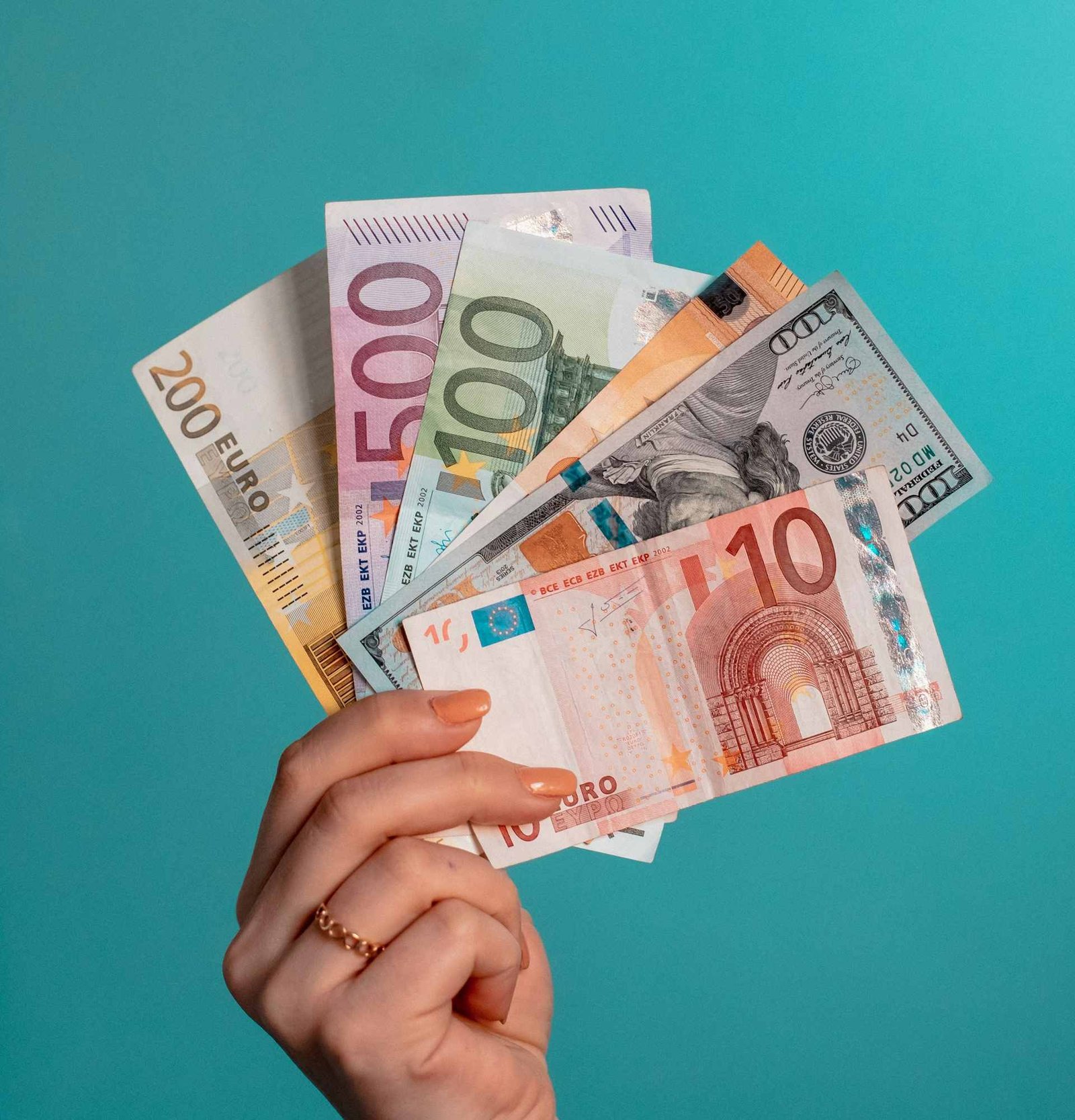
Every seasoned traveller has learned a hard lesson at some point — whether it was surrendering a wallet to a greedy airport kiosk or watching a card get declined in a remote market. Mastering travel money tips exchange rates abroad is not glamorous, but it is one of the most impactful skills you can have as a global explorer. Done right, it puts real savings back into your holiday budget — enough to fund an extra night, a cooking class, or a spontaneous ferry ride to a hidden island.
This guide breaks down everything you need to know about travel money tips exchange rates abroad: from where the worst rip-offs lurk to the cards and strategies that keep your money working for you, wherever in the world you roam.
Why Exchange Rates Abroad Matter More Than You Think
One of the most practical travel money tips exchange rates abroad is simply knowing which places to avoid. Not all currency exchanges are created equal — some are genuinely predatory.
Airport Exchange Desks
Airport currency kiosks are notorious for offering some of the worst exchange rates in existence. Markups of 8–15% above the mid-market rate are common. If you absolutely must get cash at an airport, withdraw only a small emergency amount — just enough for a taxi and a coffee until you reach a better source.
Hotel Exchange Desks
Convenient? Yes. Smart? Rarely. Hotel front desks typically offer rates that are 5–10% worse than a local ATM or city bureau de change. The convenience premium is simply not worth it when you consider how much travel money tips exchange rates abroad knowledge could save you.
Tourist-Area Exchange Kiosks
That flashy exchange booth right next to the Eiffel Tower or near the Colosseum? It is almost certainly charging you a premium for its location. These kiosks know their customers are time-pressed tourists who haven’t done their research.
Beware of “zero commission” signs at exchange bureaus — they often simply bake the fee into a worse exchange rate. Always ask for the final amount you’ll receive in the target currency before agreeing to any transaction.
Best Ways to Access Money Abroad
Now for the good news. Smart travel money tips exchange rates abroad aren’t just about avoidance — they’re about knowing which channels actually give you fair rates.
Local ATMs in the Destination Country
Withdrawing cash from a local bank ATM in your destination country is typically one of the most cost-effective options. Your home bank may charge a flat withdrawal fee ($3–5), but the exchange rate applied is usually very close to the mid-market rate — far better than any exchange desk.
Best practice: use ATMs affiliated with major local banks (e.g., HSBC, Santander, BNP Paribas) rather than independent ATMs, which often charge higher fees and use unfavourable rates.
Fee-Free Travel Debit Cards
This is perhaps the single biggest upgrade you can make to your travel money strategy. Cards like Wise, Revolut, and Charles Schwab (for US travellers) offer the mid-market exchange rate with zero or very low fees. These are the cornerstone tools of any serious guide to travel money tips exchange rates abroad.
Pre-Ordering Currency Online
Many banks and specialist providers like Travelex or Post Office Money (UK) allow you to pre-order foreign currency online and collect at a branch or have it delivered. Online rates are generally significantly better than in-branch or at airports, making this a solid option for popular currency pairs like USD, EUR, and GBP.
Crypto and Digital Wallets
For the tech-savvy traveller, some digital wallet apps now allow near-instant peer-to-peer currency exchange at rates approaching interbank. This is an emerging area of travel money tips exchange rates abroad that is worth watching as adoption grows.
Wise (formerly TransferWise) consistently ranks as one of the best tools for exchanging money abroad. It uses the real mid-market rate and shows all fees upfront — no surprises.
Travel Cards vs. Cash: What Actually Wins?
The travel card vs. cash debate is one of the most common questions in any discussion of travel money tips exchange rates abroad. The answer, like most things in travel, is: it depends.
- Cards win for security — a stolen card can be frozen instantly; stolen cash is gone forever.
- Cash wins in markets, small restaurants, rural areas, and countries with lower card acceptance.
- Cards win for exchange rates — the best travel cards consistently beat any exchange desk.
- Cash wins for budgeting discipline — many travellers spend less when physically handing over notes.
- Cards win for convenience in high-card-acceptance countries like Sweden, Netherlands, and Australia.
- Cash wins in South and Southeast Asia, parts of Africa, and many Central American destinations.
The optimal strategy for most international trips is a hybrid approach: carry some local cash for small vendors and emergencies, but use a fee-free travel card as your primary payment method to maximise your travel money tips exchange rates abroad.
How to Dodge Hidden Fees & Dynamic Currency Conversion
There are two silent killers in travel finance that can erode your budget without you even noticing.
Foreign Transaction Fees
Many standard credit and debit cards charge a 1.5–3% fee on every foreign purchase. This sounds small but adds up fast. A $3,000 trip with a 2.5% foreign transaction fee costs you an extra $75 in invisible charges. One of the most important travel money tips exchange rates abroad is to simply use a card that waives these fees entirely.
Dynamic Currency Conversion (DCC)
This is one of the sneakiest traps in international travel. When you pay with a card at a foreign merchant, a terminal may ask: “Would you like to pay in your home currency?” This is DCC — and the answer should almost always be NO. Accepting DCC means the merchant’s bank applies the exchange rate, which is typically 3–7% worse than what your card’s network would apply. Always choose to pay in the local currency of the country you’re visiting.
DCC can sometimes be automatically applied without a clear prompt, especially at ATMs. Always look for the option to proceed “without conversion” or “in local currency” on any terminal screen abroad.
ATM Operator Fees
Beyond your own bank’s fees, the ATM itself may charge a local operator fee — sometimes $3–6 per withdrawal. To minimise this, make fewer, larger withdrawals rather than multiple small ones. Always check whether the ATM displays the fee upfront and decline if the charge seems excessive.
Country-Specific Exchange Tips
Not all destinations play by the same rules. Part of mastering travel money tips exchange rates abroad is knowing the nuances of specific regions.
Europe (Eurozone)
A fee-free travel card is king here. Card acceptance is near-universal in Western Europe. Use a Wise or Revolut card for daily spending and withdraw Euros at local bank ATMs for markets and small vendors. Avoid exchange kiosks entirely in tourist hubs like Paris, Rome, and Amsterdam.
Southeast Asia (Thailand, Vietnam, Indonesia)
Cash is still dominant in much of Southeast Asia. Thai baht, Vietnamese dong, and Indonesian rupiah are best obtained from local ATMs after arrival — these consistently offer better rates than any pre-trip exchange in your home country. Budget travellers relying heavily on street food and local transport will need plenty of local currency on hand.
United Kingdom
Sterling is widely available online before departure at decent rates. For visitors, card payments are widely accepted across the country including on most public transport systems. One of the most practical travel money tips exchange rates abroad for UK visitors is to use contactless payments wherever possible.
Japan
Japan remains a significantly cash-based society despite growing card acceptance. Withdraw yen at Japan Post or 7-Eleven ATMs (both reliably accept foreign cards). Exchange rates at Japanese post office ATMs are excellent — among the best you’ll find anywhere in the world.
Emerging Markets (Africa, Central America)
In many developing economies, the US Dollar carries significant acceptance alongside local currency. Bringing clean, unfolded USD notes (especially $50 and $100 bills) can give you access to better informal exchange rates. This is a well-known element of experienced travellers’ travel money tips exchange rates abroad toolkit.
Your Pre-Trip Currency Checklist
Before any international trip, running through this checklist will ensure you’re applying the best travel money tips exchange rates abroad strategy for your specific destination:
- Research the destination’s card acceptance level (highly developed vs. cash-dominant economy).
- Check your bank card’s foreign transaction fee — switch to a fee-free card if applicable.
- Download Wise or Revolut and load some balance before departure.
- Check the current mid-market rate on XE.com or Google to have a benchmark.
- Pre-order a small amount of local currency online for arrival day emergencies.
- Identify the nearest reputable local bank ATM at your destination airport (not the first kiosk you see).
- Notify your home bank of your travel dates to prevent fraud blocks on your card.
- Save a backup card in a separate location from your wallet.
- Note the emergency number to call if your card is lost or stolen internationally.
- Understand the DCC prompt and always choose to pay in local currency.
Never return home with large amounts of foreign cash — reconverting leftover currency back to your home currency means you pay the spread twice. Spend it down, use it at a duty-free shop, or keep a small emergency amount for your next visit to that destination.
Frequently Asked Questions
Wise and Revolut are consistently rated the best options for travellers seeking real exchange rates with minimal fees. Charles Schwab’s debit card is a favourite among US travellers for its ATM fee rebates worldwide.
For major currencies (EUR, GBP, JPY), pre-ordering online before departure often yields good rates. For less common currencies, you’ll usually get better rates at local ATMs after arrival. Avoid exchanging at the airport regardless of direction of travel.
As a general rule, carry enough local cash for 1–2 days of expenses plus a safety buffer, and rely on your travel card for larger purchases. The exact amount depends heavily on how cash-dependent your destination is.
It usually means no separate commission fee is charged, but the rate itself is marked up significantly. Always ask for the final payout amount in the target currency to determine the true effective rate, regardless of what the signage says.
Ready to Plan Your Next Adventure?
Discover hidden gem destinations, expert travel guides, and money-saving tips for travellers worldwide — all in one place. Your next escape is waiting.